
What's Included in a Home Inspection
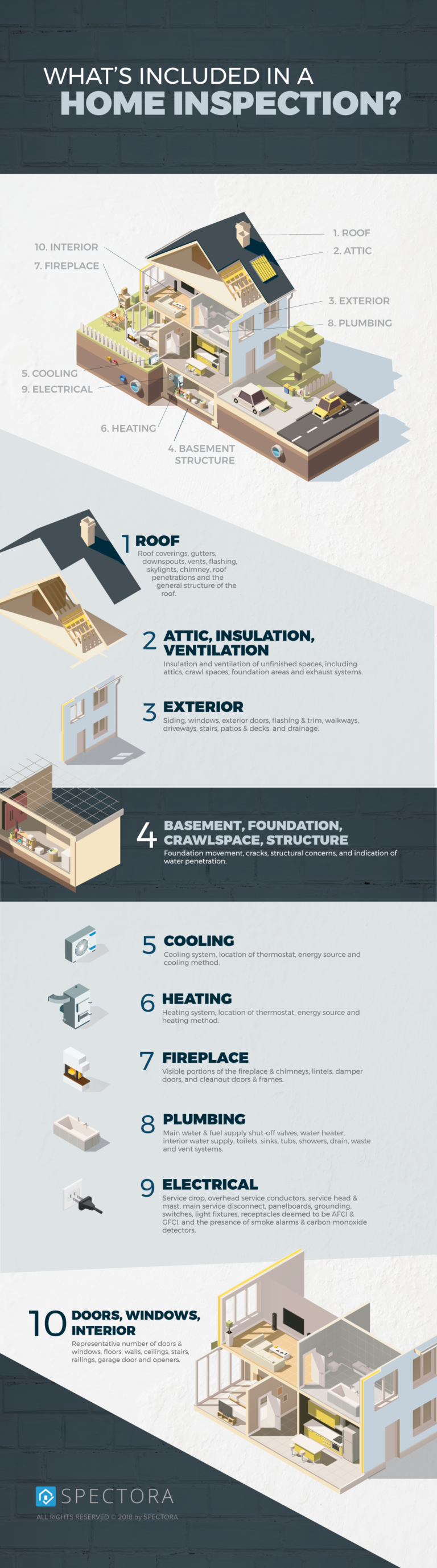
A home inspection is a visual, non-invasive evaluation of a property’s major systems and components. We use interNACHI's standers of practice (SOP) ensuring consistency and professionalism.
Structural Components
We inspect the overall structure of the home, including: Foundation Crawlspaces and framing Roof structure and attic for visible signs of settlement or movement
Electrical System
The electrical system is evaluated for safety and functionality: Main service panel and sub-panel, wiring type and condition. Outlets, switches, and GFCI/AFCI protection and visible electrical hazards.
Plumbing System
We check the home’s plumbing components: Water supply and distribution systems, drain, waste, and vent systems, water heater (installation, age, condition) fixtures, faucets, and visible leaks.
Heating & Cooling (HVAC)
The HVAC system is inspected for proper operation: Furnace and heating systems, Thermostat functionality, Air conditioning units (if present) ductwork and ventilation.
Roof
The roof: Roofing materials and condition, flashing and penetrations, gutters and drainage systems, signs of leaks or damage.
Exterior
We evaluate the exterior elements of the home: siding, stucco, or exterior finishes, windows and doors, driveways, walkways, and grading. Decks, balconies, and railings.
Interior
The interior inspection includes: Walls, ceilings, and floors, doors and windows operation. Stairs and railings, signs of water damage or structural concerns.
Kitchen & Appliances
Built-in appliances and fixtures are checked: Dishwasher, oven, range, and microwave, garbage disposal, ventilation systems, cabinet and countertop condition (general).
Garage
If applicable, we inspect: Garage door and opener, fire separation (between house and garage) visible structural elements.
Insulation & Ventilation
We assess energy efficiency and airflow: Attic insulation levels, ventilation in attic and crawlspaces, moisture concerns.
What’s Not Included: A standard home inspection is not technically exhaustive and does not typically include: Code compliance verification, cosmetic issues, specialized inspections (e.g., mold, asbestos, pests, sewer scope) Hidden or inaccessible areas.
Why a Home Inspection Matters
A home inspection helps buyers and homeowners: Identify safety concerns, understand the condition of the property, plan for repairs and maintenance, make informed real estate decisions.
Schedule Your Inspection
If you’re buying, selling, or maintaining a home in California, a professional inspection provides peace of mind and valuable insight into your investment.